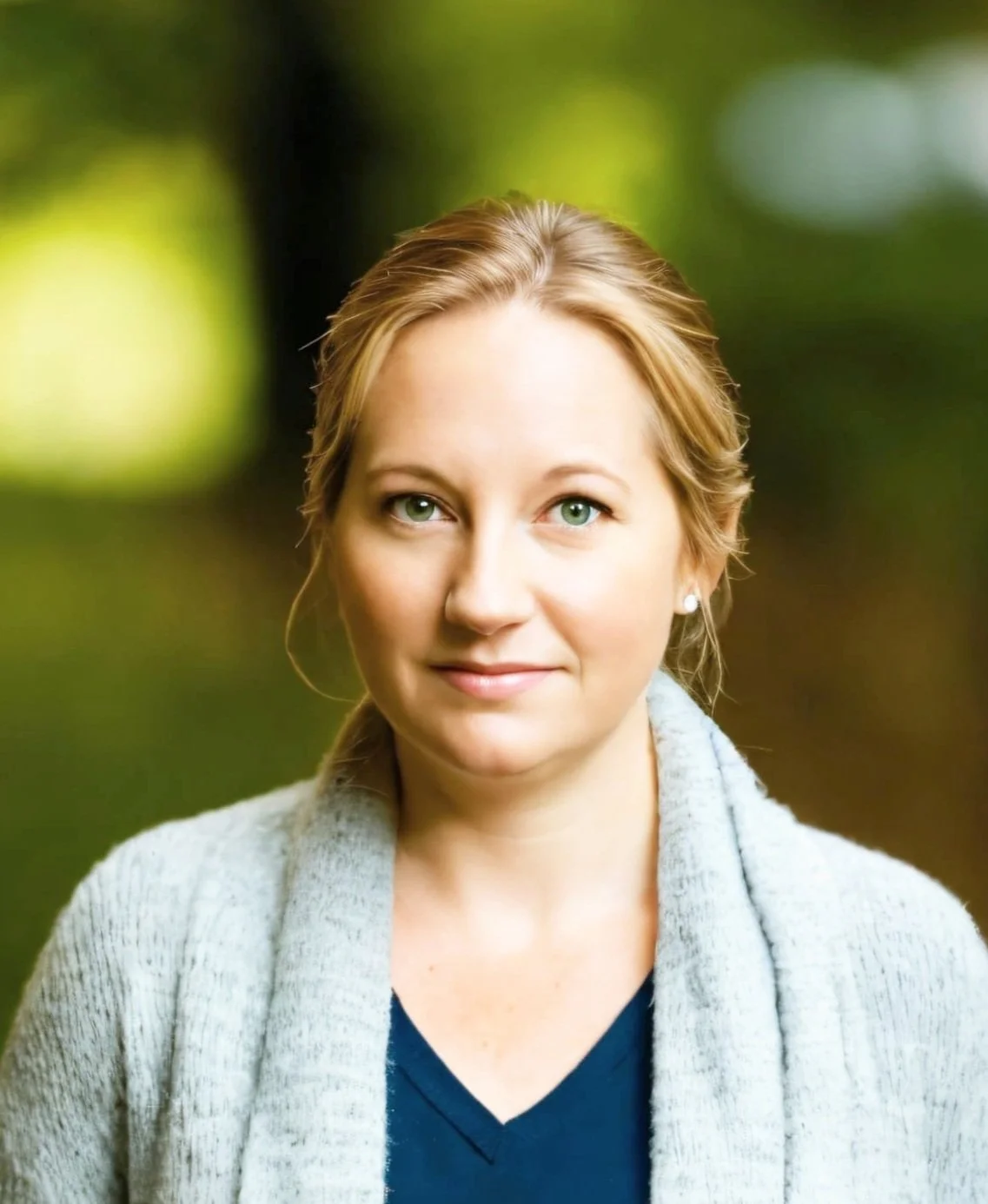
Emily Roussard, LSWAIC Licensed Associate Clinical Social Worker
My Specialties
-
Long-term impacts of emotionally unsafe or invalidating environments, including patterns around self-trust, conflict, and survival.
-
Not just sadness. Depression often looks like flatness, exhaustion, disconnection, or going through the motions while feeling nothing. We look at what's underneath — not just symptoms, but sleep, nervous system load, relational patterns, and what might actually be depleting you.
-
Anxiety makes a lot of sense when you understand where it came from. Whether it shows up as overthinking, physical tension, people-pleasing, or never being able to fully relax, we work on understanding the function of it — not just turning the volume down.
-
When keeping it together has become its own full-time job
-
Patterns in how you connect, push away, or lose yourself in relationships.
-
Unlearning people-pleasing, over-functioning, or chronic self-doubt.
-
Working with older teens and young adults, with family dynamics taken into account when helpful.
-
When appropriate, I involve partners or parents to reduce conflict and build clearer communication — without assigning blame.
-
Polyamory, ethical non-monogamy, kink, and BDSM-involved relationships come with their own relational dynamics, communication demands, and stressors — and deserve a therapist who won't pathologize them. I work from a sex-positive, kink-affirming lens, whether you're navigating jealousy, communication breakdowns, identity, or the intersection of these relationships with trauma or attachment.