
Philosophy and Approach

My approach is trauma-informed, practical, and non-pathologizing, with attention to how neurodivergent traits—such as ADHD, autistic traits, sensory sensitivity, or differences in information processing—can shape stress, relationships, and emotional regulation. Many clients arrive in therapy believing something is “wrong” with them, when in reality their nervous system has been adapting to environments and expectations that were not a good fit.

I work collaboratively with clients to understand how past experiences, neurobiology, health, and current life demands interact. Therapy often includes skill-building and relational work, but also looks at sleep, routines, workload, boundaries, sensory input, and environmental stressors that can be modified to reduce strain. The goal is not to force change through sheer effort, but to increase stability and capacity in ways that are realistic, respectful, and aligned with how you’re wired.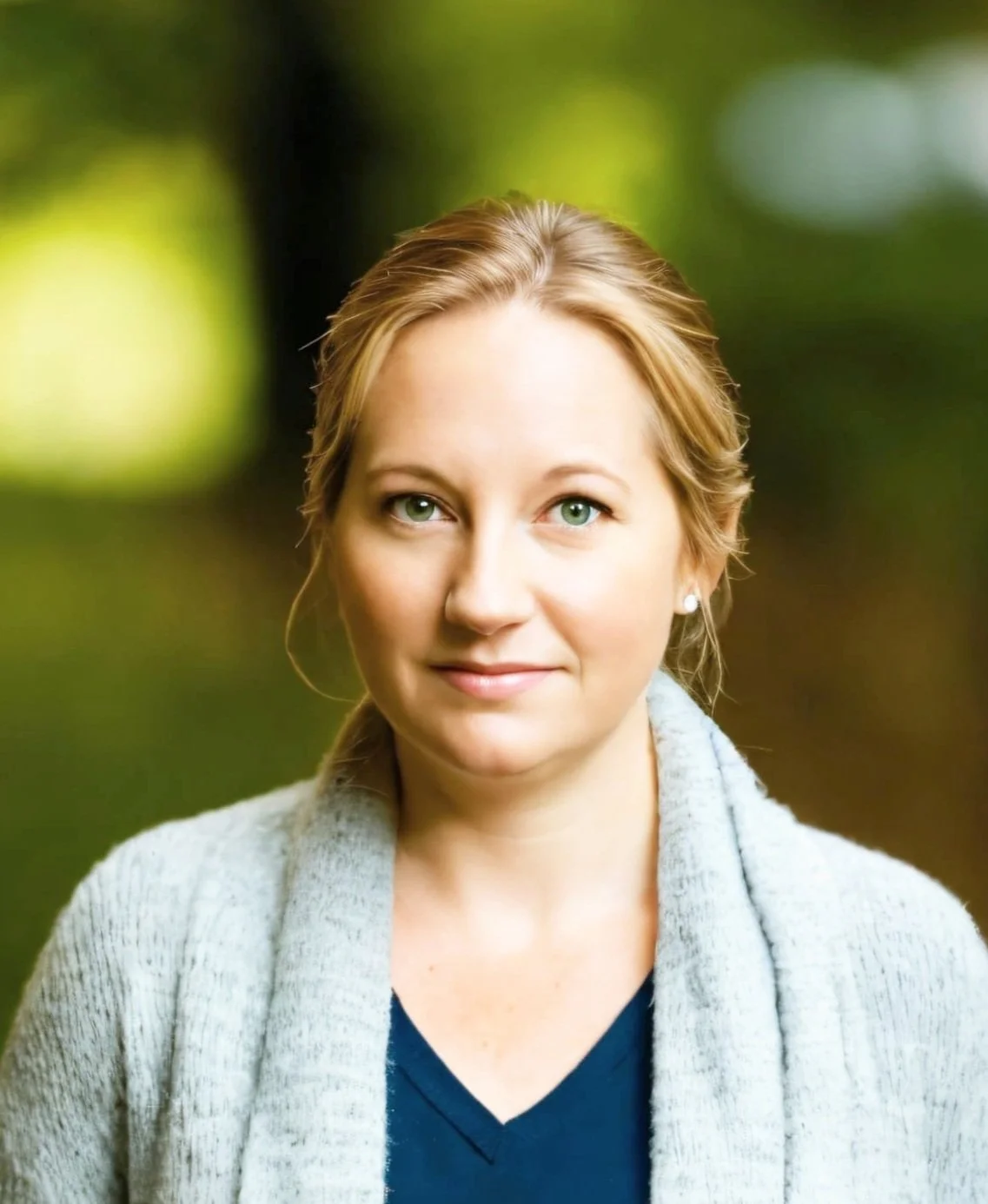
Specialties

I work with adults navigating complex trauma, chronic stress, relationship challenges, and identity shifts—especially people who are high-functioning on the outside but exhausted, stuck, or disconnected on the inside. My work often supports clients who grew up in emotionally unsafe or invalidating environments and are now trying to unlearn survival patterns around boundaries, conflict, and self-trust.

I also work with older teens and young adults, with an approach that takes family dynamics into account. When appropriate and with the client’s consent, I may involve parents to help clarify misunderstandings, reduce conflict, and establish common ground and a realistic path forward. I hold the view that most parents are doing the best they can with the tools they have, even when the impact hasn’t been what they intended. My role is not to assign blame, but to support the client while facilitating clearer communication and healthier boundaries within the family system.
Emily Roussard, LSWAIC
Licensed Associate Clinical Social Worker